TDMQ for MQTT is a distributed high availability message queue service that builds an extremely lightweight message transmission protocol through the "publish/subscribe" model. TDMQ for MQTT is compatible with the standard MQTT protocol, supports zero-modification integration with open-source community and industry-leading MQTT clients, and enhances features such as stability, low latency, and high performance.
TDMQ
TDMQ for MQTT
A distributed, highly available message queue service designed for the internet of vehicles and the Internet of Things (IoT).
Overview
Benefits

Compatibility
Compatible with the industry-standard MQTT 3.1, MQTT 3.1.1, and MQTT 5.0 protocol, and MQTT 5.0 protocol,uses the general message queue publish/subscribe mode, supports one-to-many message publishing; supports access by various open-source community clients in multiple languages such as Java, C/C++, Go.

Reliability
Provides ordered, reliable bidirectional connections, supporting TCP and WebSocket protocols. Specifically enhanced and designed for constrained devices and scenarios with low bandwidth, high delay, or unreliable network connections. Supports X.509 certificate mutual authentication and allows users to integrate custom authentication systems.

Observability
The console provides various monitoring metrics, integrates with Tencent Cloud's monitoring and alarm features, and offers comprehensive TencentCloud APIs to support integration with self-service ops systems.

Data interoperability
Support data communication with other products, such as RocketMQ and CKafka, to achieve the upstream and downstream ecosystem and free circulation of message data.
Scenarios
Internet of Vehicles
Industrial Internet of Things (IIoT)
Equipment Data Processing Platform
IM Communication
Smart Home

Vehicles collect various information through onboard sensors and controllers, such as vehicle location, speed, fuel level, engine status, etc., and transmit it to the manufacturer's server in real-time or periodically via the MQTT protocol for data analysis, fault warning, remote control, and other operations. The manufacturer issues remote command controls via the MQTT protocol, such as navigation map updates, system vulnerability fixes, and remote fault diagnosis.

In Industrial Internet of Things (IIoT) applications, various industrial devices need to report data in real-time and receive remote commands for operations. The MQTT protocol can serve as the communication protocol between devices and the industrial cloud platform, enabling real-time data reporting and remote command issuance. MQTT can maintain stable message transmission in weak network and extreme environments, ensuring effective message delivery in industrial scenarios.

Since the MQTT protocol is highly suitable for low bandwidth and unstable network environments, it is ideal for large data platforms such as smart cities and urban brains for IoT data collection. Different terminals, such as sensors, mobile medical devices, and IoT devices, can collect environment information and business data to transmit to downstream data systems for processing or storage.
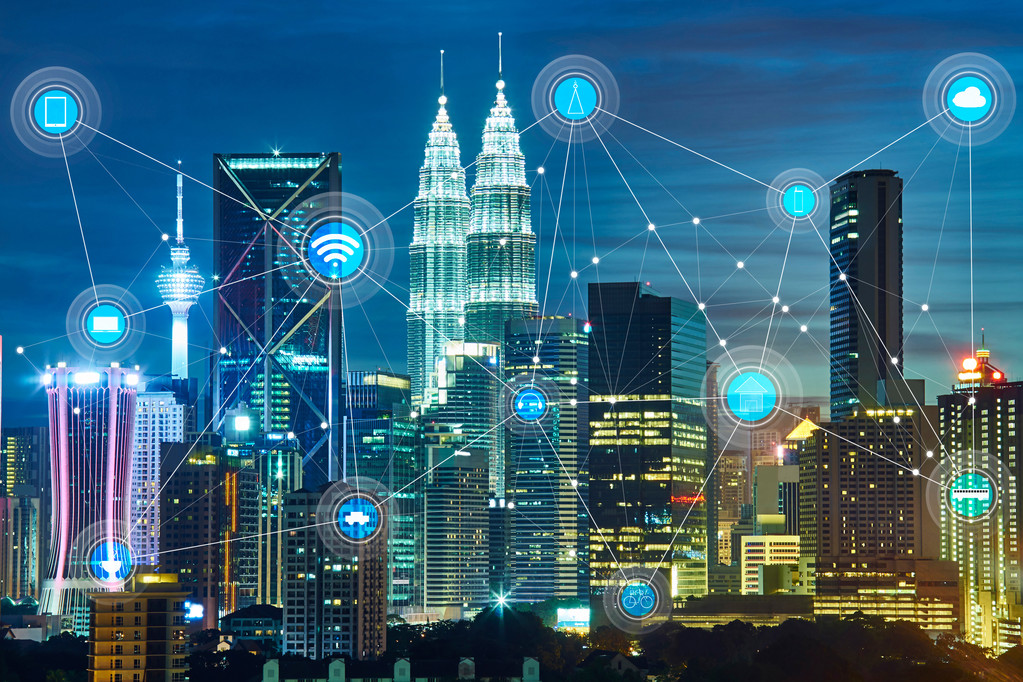
The publish/subscribe model adopted by the MQTT protocol is very suitable for instant messaging scenarios. Users can publish messages to specific topics, and other users can receive relevant messages by subscribing to topics of interest. This model is ideal for implementing one-on-one chats and group chats.

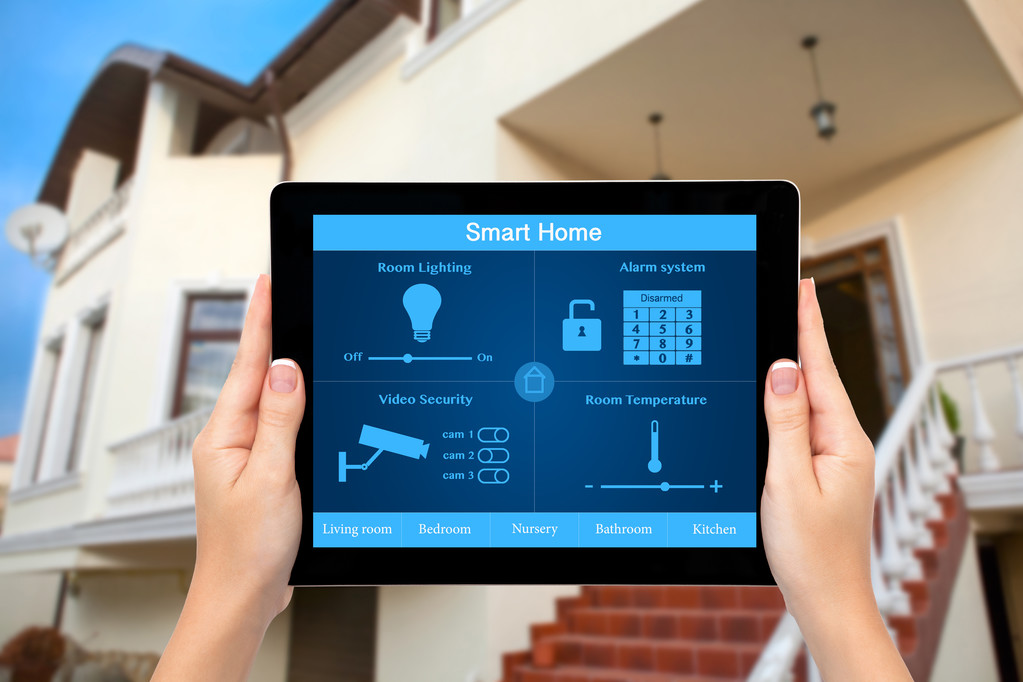
In smart home applications, various electrical appliances and smart devices need to report data in real-time, receive remote instructions for operations, and work collaboratively with other devices. The MQTT protocol can serve as a communication protocol between smart home devices and the Cloud Platform, mobile apps, or other devices, enabling real-time data reporting, remote control, and device collaboration.
Pricing
TDMQ MQTT version supports two billing modes: monthly subscription and pay-as-you-go billing. For more information, please refer to pricing documentation.
Help and Documentation



FAQs
How Is Message Queue MQTT Charged?
Does Message Queue MQTT Support Public Network Access?
What Are the Usage Limitations of Message Queue MQTT?
How Is the TPS Specification of Message Queue MQTT Calculated?